You’ve got circular, bleached patches because snow‑mold fungi thrived under lingering snow; don’t panic. Now, gently rake matted turf to lift blades and speed drying, mow when grass resumes growth, bag heavy clippings, and overseed bare spots once soil warms above about 55°F. One thing to ponder: gray mold usually just zaps blades and bounces back, pink can kill crowns and needs repair. Here’s the thing — fix drainage and fall care to stop repeats, and keep going for practical next steps.
Some Key Points
- Snow mold is a winter fungal disease that creates circular, bleached or pinkish patches where snow kept grass wet and cold.
- Gray snow mold usually only mats and discolors blades; crowns remain alive and turf often recovers with spring growth.
- Pink (Microdochium) snow mold can kill crowns, leaving bare spots that require dethatching, overseeding, or repair.
- Rake gently, dry matted areas, mow when growth resumes, and bag clippings if heavy fungal residue is present.
- Prevent future outbreaks with fall cleanup, improved drainage, timely aeration, and fall‑timed fungicide only for recurring pink mold.
What Search Intent and Format Does This Guide Serve? (Informational How-To + Recovery Plan)
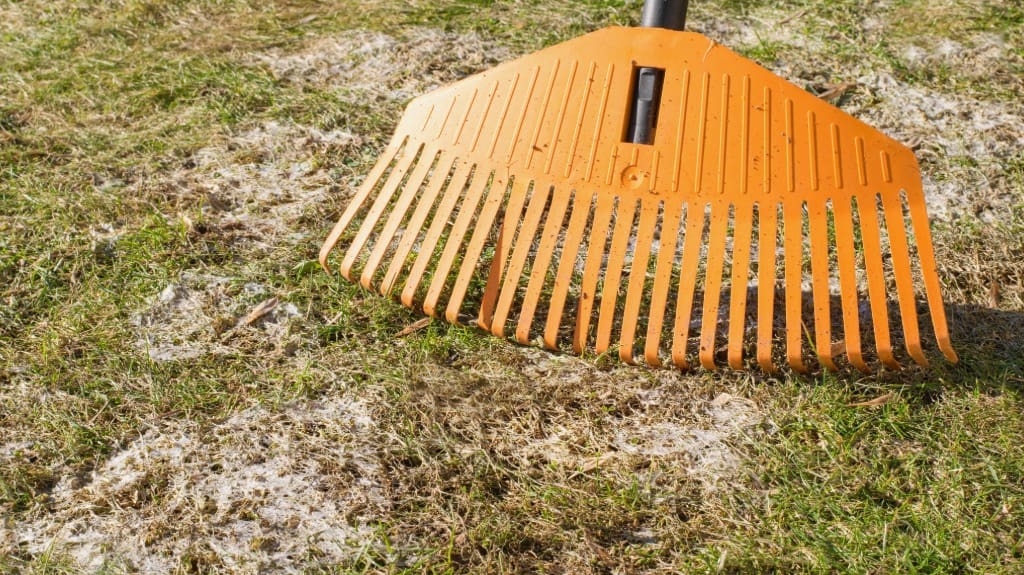
What does this guide actually do for you? You’ll get quick, friendly help to identify Snow Mold and act, with a clear how‑to plus a simple spring recovery plan, so you’re not guessing when those circular patches show up. Now, this guide gives diagnostic cues to tell gray snow mold from pink snow mold—color notes, matted patches, and a 60‑second tug test—then moves straight to “do this, not that” actions: rake and dry matted areas, don’t spray fungicide in spring, mow to remove dead blades, and follow up with light fertilizer and overseeding where needed. One thing to ponder: if cultural fixes don’t work, call a pro. Here’s the thing, we’ve all waited too long—don’t. Proper moss control and lawn care habits can also help reduce conditions that favor snow mold.
What Is Snow Mold and Which Two Types Matter for Your Lawn?
Now, here’s the thing: snow mold is a winter turf disease from soil fungi that thrive under lingering snow, and you’ll most often see either gray snow mold making light, matted whitish patches that usually only hit the blades, or pink snow mold (also called copper patch) leaving pinkish rings that can kill crowns. One thing to bear in mind is that both fungi are in most soils already, they spread where leaves or long grass hold moisture and slow-melting snow insulates them, so don’t beat yourself up if it shows up after a wet fall. Now, start by recognizing the signs early, remember fall fungicide timing can help, and if you missed that window, plan to rake, aerate, and overseed in spring rather than chasing a miracle cure. Consider adding regular maintenance like lawn care equipment use to reduce conditions that favor disease.
Gray Snow Mold Signs
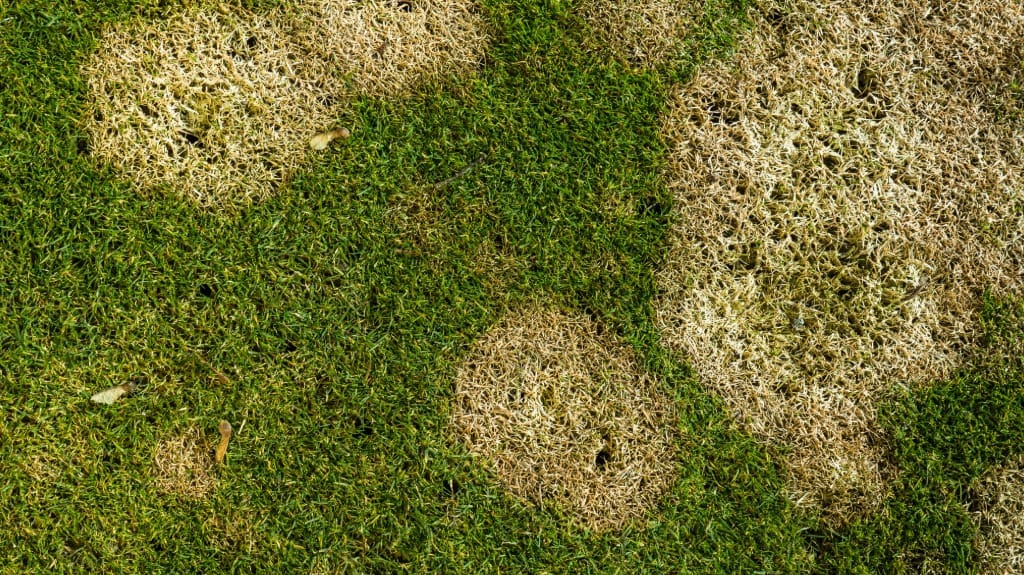
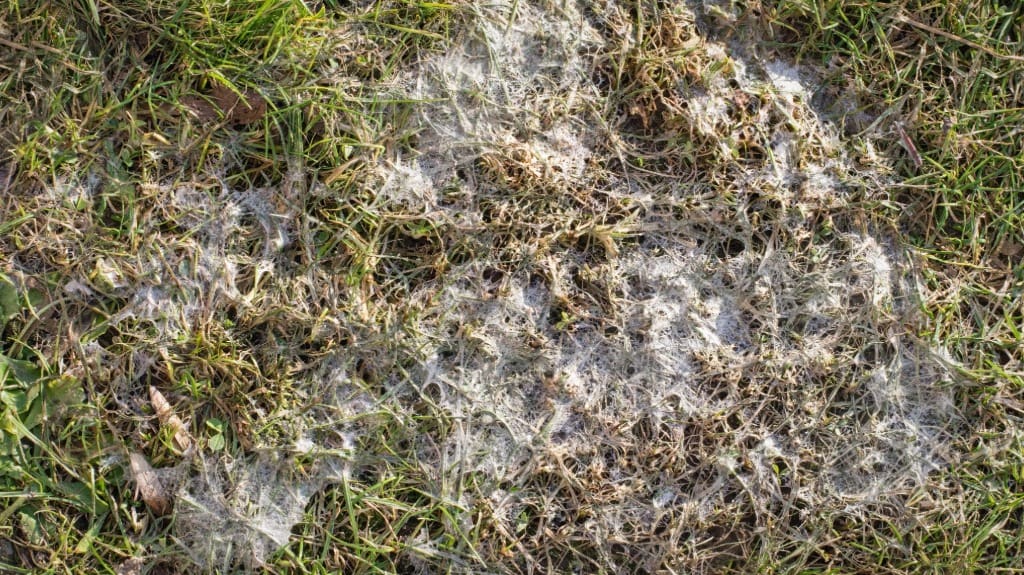
You’ll usually notice gray snow mold as random, bleached patches of matted grass after the snow melts, and if you’ve ever shrugged them off as “just winter aftermath,” you’re not alone — I’ve missed them too. Gray snow mold, caused by Typhula incarnata, shows up as circular to irregular patches of dead, light-gray or tan turf, anywhere from a few inches to several feet, often where snow lingered. Now, here’s what to do: gently rake and let spring growth recover, since crowns and roots are usually fine. One thing to ponder is past habits—late mowing, leaf cover, or heavy late nitrogen raise risk. Here’s the thing: improve cleanup, drainage, and timing next fall, and only use fungicide if it’s a repeat problem. Consider using a proper respirator when applying fungicides or handling dusty lawn-care products.
Pink Snow Mold Damage
Often you’ll spot pink snow mold as patches of pinkish or tan turf with a rusty or coppery rim, and if you’ve ever waved it off as “just winter,” don’t beat yourself up — I’ve done the same — but this one deserves a closer look because it can kill grass at the crown and leave bare spots that won’t simply bounce back. Now, pink snow mold, caused by Microdochium, shows fuzzy white mycelium in spring and can turn into dead grass if you don’t act. One thing to ponder: fungicides in late fall help prevent it, but they won’t cure established damage. Here’s the thing, rake matted areas, improve drainage, dethatch and overseed bare spots, and avoid leaving turf wet and compacted. For best long-term results, also consider regular soil care and using proper soil conditioners to improve drainage and root health.
How Fungi Develop
If you’ve ever shrugged off thin, mushy patches after a long winter, here’s what’s actually happening beneath the snow: snow mold is a group of soil‑borne fungi that live in your turf and leaf litter year-round, and they spring into action when conditions stay cold and wet—especially under prolonged snow or in spots that stay soggy—so you’ll see damage only once the weather lets them work. Now, here’s what to do: understand that Snow Mold (Microdochium) and its gray counterpart are a fungal disease that grows at low temps, so don’t beat yourself up if long thatch and poor drainage set you up for trouble. One thing to keep in mind, treat preventively in fall, not after crowns are dead. Here’s the thing, rake, aerate, overseed where blades of grass were lost. Consider improving soil health with proper aeration to support recovery and reduce future problems.
How Do Gray Snow Mold and Pink Snow Mold Look Different?
Now, look closely at color and pattern: gray snow mold shows bleached to light‑gray, matted circles with fine white or gray threads and usually leaves crowns alive so the lawn often bounces back, while pink snow mold makes tan to pinkish, sometimes copper‑edged patches with a fluffier pink growth and can kill crowns, leaving stubborn bare spots. One thing worth considering is damage depth and recovery—gray is mostly superficial and responds to raking and spring growth, whereas pink commonly needs overseeding or repair because it can kill roots and crowns. Here’s the thing: if you’ve ever shrugged and waited, don’t—note the color and how the turf responds, act earlier for pink, and you’ll save yourself the extra work later. Consider integrating lawn care equipment into your spring cleanup to make raking, overseeding, and repair easier.
Appearance And Color
You’ll usually spot the difference between gray and pink snow mold by the color and texture of the damaged turf, so start by looking closely and don’t assume the first patch you see tells the whole story — I’ve jumped to conclusions before and had to backtrack. Now, walk the lawn: Snow Mold shows telltale hues. For gray snow mold you’ll see bleached to light-gray, matted grass, sometimes with powdery gray threads or tiny dark sclerotia at the edge, patches big or small. One thing to take into account: pink snow mold tends toward tan to pinkish spots, often with a rust-colored halo and occasional cottony white or pink growth when wet, and under close inspection you might even spot salmon-pink spores. Here’s the thing, don’t panic; look carefully. Consider treating affected areas with appropriate fungicides and following lawn care best practices to prevent recurrence.
Damage Depth And Recovery
When you lift a damaged patch and see the grass blades come away but the crowns and roots stay stubbornly attached, you can usually relax a little—gray snow mold mostly eats the leaves and leaves the plant's base alive, so the lawn often bounces back on its own once it warms and dries; I've definitely rushed to reseed only to find the turf regrew fine. Now, check for pink snow mold, which often kills crowns and roots and leaves tan to pinkish spots with a rusty edge, those need raking and reseeding. One thing to take into account: patch size matters, small dead spots under 12 inches often mean pink mold damage. Here’s the thing, start with cleanup and light fertilizing, not panic; call a pro only if more than about 10–20% is ruined.
When and Where Does Snow Mold Develop in Omaha-Like Climates?
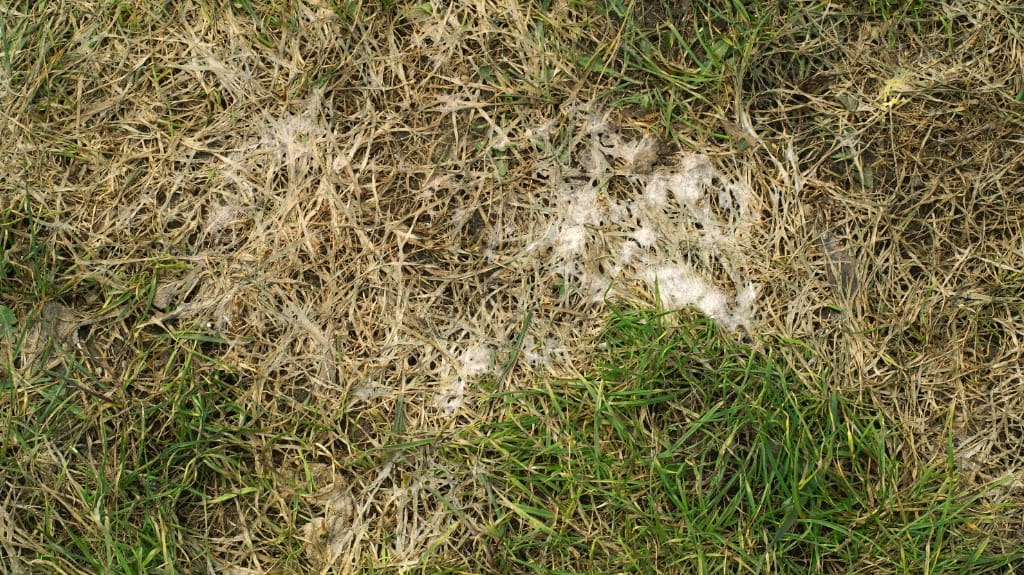
If you’ve seen patchy, matted grass after a long, slow-melting snowpack, here’s the short version: snow mold likes it cold, wet, and covered, and Omaha-like winters give it plenty of opportunities. Now, here’s what to do and where to watch: Snow Mold, especially Microdochium, grows where snow sticks around and temperatures hover near freezing, so early or piled snowdrifts are prime spots. One thing to keep in mind is low-lying, poorly drained turf and compacted soil that hold moisture and cut airflow—those areas get hit first. Here’s the thing: tall, uncut grass and heavy thatch invite mold, so mow shorter and remove debris in fall. Do this, not that: prevent by improving drainage and avoid late nitrogen feeding.
What Conditions Under Snow Encourage Fungal Growth?
Often you’ll find that the real trouble starts under a steady blanket of snow, where cold, wet conditions and darkness let fungi quietly feast on weakened grass—so here’s what to do now and what to avoid. Now, understand snow mold loves prolonged snow cover that keeps blades wet and soil near freezing for weeks, so you’ll want to reduce that window when possible. One thing to ponder: poor drainage or low spots hold meltwater, extending leaf wetness and risk, so fix those before next winter. Here’s the thing, thick leaf layers or long, matted grass in fall act like a cozy duvet for fungi, and late nitrogen feeds tender shoots, so don’t repeat that mistake. Do this: clean, level, and avoid late fertilizing.
How to Tell Snow Mold From Pests, Drought, or Winter Desiccation?
Now you’ve got to be a little detective, because telling snow mold apart from grub damage, drought browning, or winter desiccation is mostly about a few quick checks and a bit of common sense; here’s what to do now, and what to stop doing—no more guessing and blaming the wrong thing. Now, start with a tug test: if the turf lifts like a carpet with roots of the grass attached, you’re likely dealing with pests, not Snow Mold. One thing to keep in mind is appearance—matted, circular patches with gray or pink cobwebby growth after snow melts points to fungus; uniform browning, thinning, or morning recovery points to drought or desiccation. Here’s the thing: check location, moisture, and seasonality, then act accordingly.
Immediate Spring Actions to Limit Damage and Speed Recovery
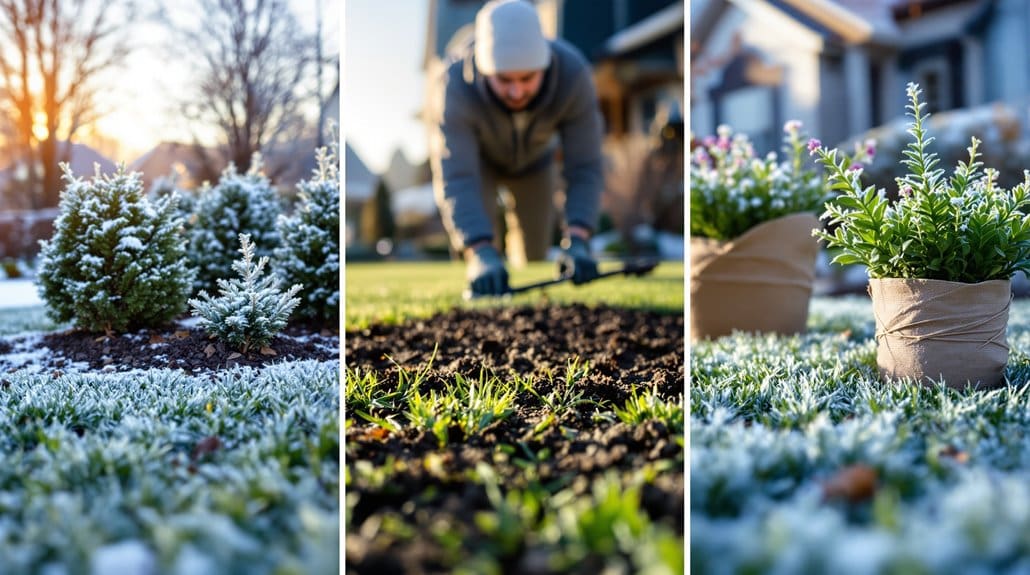
You’ll want to jump in as soon as the snow’s gone and the turf is dry enough to walk on, because acting fast makes recovery easier and keeps you from doing things that slow it down—like overseeding too early or piling clippings back on the lawn. Step 1 — Rake gently: fluff matted Snow Mold patches to lift grass blades and boost air flow, which helps things dry and stops more fungus. Now, mow when growth resumes at normal height, removing dead material but don’t scalp; bag clippings if you see heavy thatch or fungal residue. One thing to bear in mind: wait for soil temps above about 55°F before you overseed bare spots, and use light, balanced fertilizer only after recovery. Here’s the thing: if damage is severe, call a pro.
Seasonal Cultural Fixes: Mowing, Watering, Aeration, and Overseeding
Now, start by keeping your mower up at 3–3.5 inches through the season and only drop to about 1.5 inches for that final fall cut, because cutting too short earlier is a common mistake that leaves crowns exposed and invites snow mold. One thing to ponder is to water deeply in the early morning once or twice a week so soil dries before nightfall, and don’t water at night where prolonged leaf wetness feeds fungi. Here’s the thing: core aerate in early fall to reduce compaction and thatch, and overseed thin spots with a resilient mix, while delaying high‑nitrogen feeds near the first expected snowfall — trust me, your lawn will thank you.
Mow At Proper Height
Trim your mower height down to about 1.5 inches in late fall, and yes, I know it feels strange if you’ve been leaving the grass taller all season, but this small cut helps reduce thatch and removes the cozy, moist mat where snow mold loves to start. Now, mow at proper height with a sharp mower blade, cut cleanly, and bag or remove clippings so you’re not creating another damp layer. One thing worth thinking about: raise height to 3–3.5 inches in summer to protect crowns and drought resistance — lesson learned the hard way when I scalped my lawn. Here’s the thing, aerate before fall mowing, overseed thin spots, and you’ll see fewer patches come spring. Small steps. Big payoff.
Water Early And Deeply
Mowing down in late fall helps, but water is the trick that really keeps snow mold from getting cozy under the snow. Now, start by scheduling to irrigate early, before 9 a.m., so half to one inch soaks the root zone and leaf blades dry by midday; trust me, I used to water at dusk and paid for it. One thing to ponder: aim for deeper, less-frequent sessions so you build deep roots, about one to 1.5 inches a week, not daily spritzes that leave crowns damp and invite snow mold. Here’s the thing, do this, not that—soak deeply, let soil dry between drinks, and you’ll help turf recover faster in spring. You’re not alone in learning this.
Aerate And Overseed Regularly
Take a shovel-to-sod approach and start planning your annual aeration and overseeding now, because doing these two together is the single best cultural fix to keep turf dense and less hospitable to snow mold. Step 1 — aerate: in Omaha, do this once a year in fall, core tines pulling 0.5–1.0 inch plugs every 3–4 inches to relieve compaction, reduce thatch, and let roots breathe; don’t skip it because I did once, and regret it. Step 2 — overseed: right after aerating, broadcast seed for thin spots, use tall fescue in shade or Kentucky bluegrass in sun, aim for proper rates, then lightly rake or roll so at least half the seed touches soil. Now, keep topsoil moist daily until seedlings establish.
When to Consider Fungicide: Timing, History, and Targeted Use?
When you’ve had snow mold ruin parts of your lawn before, don’t shrug and hope for the best next winter—plan your fungicide use instead, but plan smart. Step 1: assess history and admit past mistakes, like blanket sprays that wasted money; document damage with photos and notes so you only prevent snow mold where it matters. Now, timing matters—apply a preventive fungicide in late fall, just before heavy, persistent snow, or split applications 4–8 weeks apart if long snow or thaw cycles are likely. One thing to weigh: target high‑risk areas such as low spots and under eaves, choose products labeled for gray or pink snow mold, and follow label rates. Here’s the thing: when in doubt, fix culture first, then call a pro.
Long-Term Prevention Checklist to Reduce Next Winter’s Risk
Long-term prevention starts with honest fixes you can actually do, and if you’ve ever sprayed everything in sight only to get the same bare patches, you’re not alone—let’s be smarter this time. Step 1, aerate in fall: core aeration removing 20–30% of soil cores relieves compaction and improves drainage, so roots stay deep and resistant to snow mold. One thing to contemplate, dethatch or rake when thatch tops 0.5–1.0 inch, because that debris traps moisture and feeds fungi. Stop high-nitrogen fertilizer six weeks before heavy snow, and mow shorter—about 1.5 inches—while removing leaves so turf dries faster. Here’s the thing: in persistent trouble zones, work with lawn care services for a timed preventative fungicide application just before lasting snow.
Signs It’s Time to Call a Lawn-Care Pro and What to Bring to the Inspection
If you've been battling repeat bare patches and feel like you've tried every trick in the book, it's okay to admit you need help—call a pro when circular, matted areas bigger than a few inches don't recover after several weeks of warm, dry weather, because that often means the crowns are dead or the soil's been exposed and the job's beyond quick fixes. Now, schedule professional lawn care and bring clear photos, both wide and close-up, showing the patch shape, any pink/gray Snow Mold growth, and surrounding healthy turf so patterns are obvious. One thing to bear in mind: jot last fall’s practices, a site map of low spots or drifts, irrigation habits, and any DIY steps with dates. Here’s the thing: honesty speeds diagnosis, saves money, and gets your lawn back faster.
Some Questions Answered
What Are the Weird Circles in My Grass?
They’re likely winter fungi—snow mold—showing circular, matted patches from prolonged wet cold, not mower stripes or pet damage. Now, rake gently to fluff crowns, let grass dry, and skip heavy fertilizer; reseed only where crowns died. One thing to keep in mind: soil compaction worsens it, so aerate in fall. Here’s the thing, I’ve overdone spring feeding before; take it slow, follow recovery steps, and monitor for regrowth.
Are Fairy Rings Good or Bad for Lawns?
They can be either, think of a stubborn old garden hose that sometimes waters a bed and sometimes kinks and floods it—fairy rings feed turf in rings or kill the center. One thing worth noting: fungal ecology and soil compaction drive outcomes, and sod replacement is rarely first fix. Now, here’s what to do: aerate, dethatch, deep‑water, use wetting agents, or targeted fungicide if turf’s dying; get a pro if unsure.
What Causes Circles in Lawns?
Circles in lawns usually come from fungal diagnostics pointing to winter fungi or localized issues like soil compaction and water runoff concentrating moisture, and yes, you’re not imagining neat rings. Now, here’s what to do: aerate compacted spots, improve drainage where water pools, and rake thatch so fungi don’t hide. One thing to contemplate, I’ve let leaves sit too long—don’t do that. Here’s the thing: timely cleanup prevents repeats.
What Are the Circle Patches on My Lawn?
Those lawn circles are likely snow mold, a winter fungus that leaves straw-colored, circular patches. Now, rake and let the turf dry, don’t overwater, and avoid heavy foot traffic while it recovers. One thing to contemplate: mow shorter in late fall and clear leaves next year, I should’ve done that sooner. Here’s the thing, most damage’s cosmetic, but if crowns look dead, get a pro opinion and contemplate late-fall fungicide where needed.