Patio & Lawn Gear
Enjoy Your Outdoor Spaces Like a Ninja Gardener!
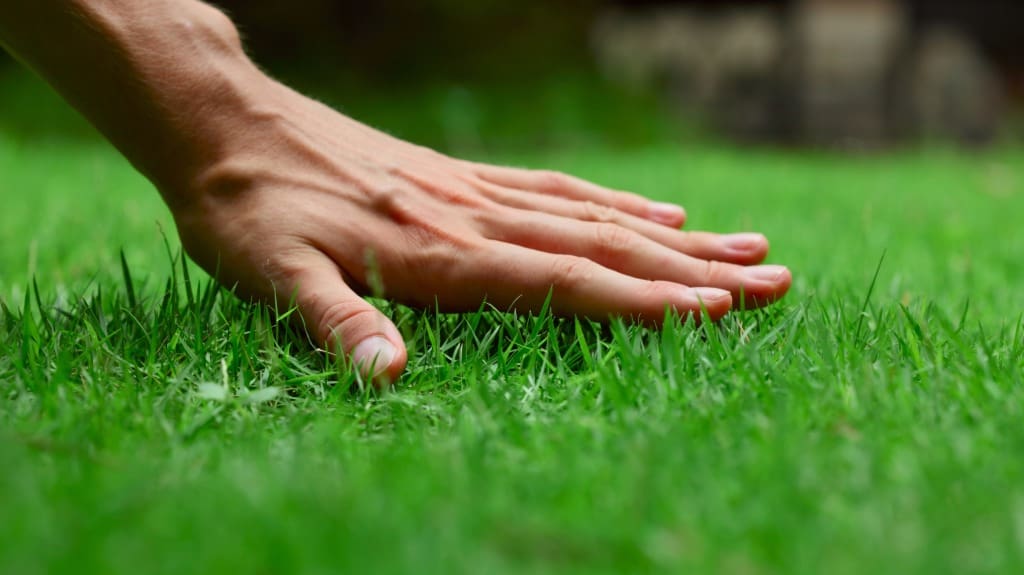
Maintaining a lush, green lawn is an attainable goal for many homeowners. It transforms a house into a welcoming haven and creates an inviting outdoor space for family and friends. However, achieving that perfect lawn doesn’t come without effort. Having the correct homeowner lawncare tools and equipment play a crucial role in simplifying the process, making it accessible for anyone willing to put in the work (or you could hire a lawncare professional to do the work). From basic hand tools to advanced machinery, the right equipment can make a significant difference in lawn maintenance, ensuring that the grass stays healthy and vibrant throughout the seasons.

Awesome Product Reviews
Let’s be honest – between battling crabgrass, wrestling with a temperamental mower, and that stubborn brown patch that won’t quit, homeowners don’t have time to waste on products that don’t deliver. That’s why we’re here to tell it like it is! From that miracle weed killer to the trimmer that actually starts on the first pull (yes, they do exist!), we share the lawn care products and outdoor tools that we think will make your yard work just a little more manageable. No fluff, no nonsense – just honest reviews from people who’ve been in the trenches, so you can spend less time fighting your lawn and more time enjoying it.
We’re all about keeping it real around here, so we might not polish the writing as much as others. We even use AI on the regular … shutter the thought! While we absolutely love sharing our favorite finds and some opinions, remember that every family is different – what works magic in one house might not be the perfect fit for yours, and that’s totally okay!
Need straightforward, trustworthy guidance on the mowers, trimmers, spreaders, aerators, edgers, sprayers, and the small-but-important gear that make a lawn look its best. We try to provide reviews & roundups of push and riding mowers, battery and gas tools, attachments, fertilizers, seed and soil products, storage and maintenance gear, and safety accessories we believe may deserve a closer look.
There are recommendations focused on cut quality, reliability, ease of use, maintenance needs, and long-term value, plus practical tips for seasonal care and setup. We try to give quick takeaways, pros and cons, and the standout reason each pick earned its spot so you can choose the right equipment or product quickly. Yes, we often use an AI helper to help us cover the varied subjects of landscape care. Check out the site… whether you’re building from scratch, upgrading for less work, or chasing that perfectly groomed yard.
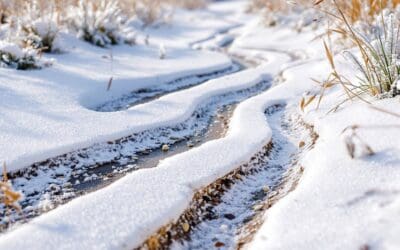
Vole Damage Under Snow: Identifying Runway Patterns
You’ll spot vole runways after snowmelt as narrow, 1–2 inch U‑shaped surface tunnels and neatly matted or clipped grass that criss‑cross lawns, leading to small entrance holes and often fresh, rice‑shaped droppings; the key is that these are open, shallow tracks with...
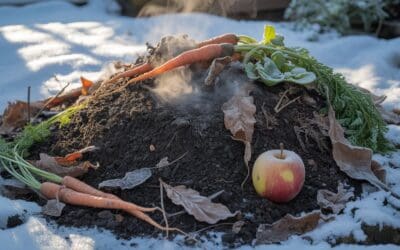
The Compost Pile in Winter: Does Decomposition Stop?
Your compost doesn’t stop working in winter, it just slows: microbes and cold-tolerant fungi keep nibbling in an insulated core, tiny critters hang out in unfrozen pockets, and a well-sized pile can stay warm inside. Now, do this: keep piles about 3×3×3 ft or larger,...
Overseeding Warm-Season Lawns: Winter Ryegrass for Year-Round Green
You’ll want to overseed warm‑season turf with perennial ryegrass in early fall, when nights dip to the mid‑50s, so you get winter green without wrecking Bermuda. Do this: mow low and scalp a bit, core‑aerate if compacted, scarify bare spots, spread 8–10 lb/1,000 sq ft...
January Fertilization: Who Needs It and Who Doesn’t
If you’ve tried for a year (or six months if you’re 35+), don’t wait — see a fertility specialist; if you have blocked or missing tubes, severe male‑factor problems, very low ovarian reserve, known genetic risks, or need cancer treatment now, start IVF conversation...
Tall Fescue Resilience: Why This Grass Thrives in Winter
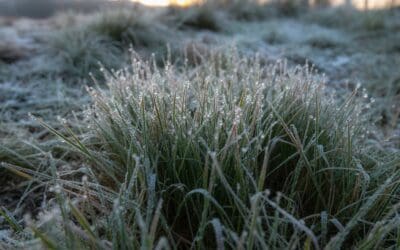
Tall fescue survives winter because it sends energy down to deep roots and crowns, so you don’t need to panic over brown tips; do less late mowing and avoid a last‑minute fertilizer binge, instead feed modestly in fall with slow‑release or follow a program. Now, we...
Landscape Lighting Design: Brightening Your Winter Yard
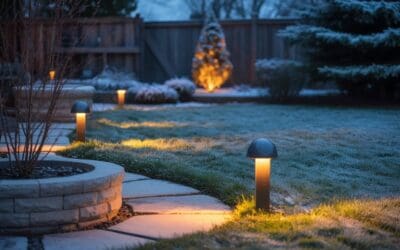
You’ll want to start by prioritizing safety first—light paths and steps with low-glare, warm 2700–3000K LEDs, then add uplights for trees and soft downlighting from porches; don’t overdo brightness, aim for layers. Walk the yard at dusk, mark winter-interest plants,...
Winter Thatch Inspection: What You’ll Find Beneath the Grass
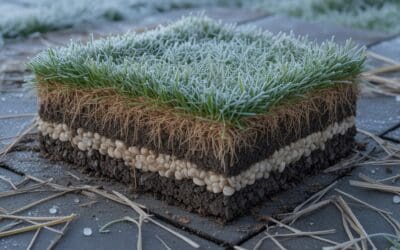
Grab a trowel and cut a few 2–3 inch plugs to see what’s underfoot: healthy thatch is thin (under ½ inch), loose and springy with roots mixing into soil, but problem thatch is a dense, spongy mat over ½–¾ inch that traps roots and water. Now, we may contemplate core...

Native Plant Selection: Planning Your Low-Maintenance Landscape
Start by picking one clear goal—shrink the lawn, make a pollinator patch, or a low‑water curb strip—and measure sun, soil texture, and drainage so you match plants to conditions, not nursery hype. Group species by water and light needs into separate zones, choose...
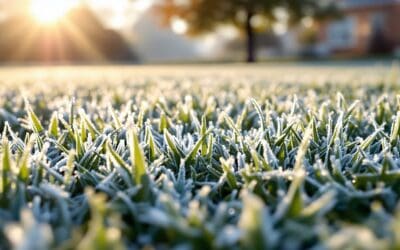
The Frozen Lawn: Should You Walk on Frosted Grass?
Don’t walk on frosted grass — it’s brittle and snaps, and one careless step can leave brown footprints or compact the soil beneath. Here’s what to do now: avoid shortcuts, keep pets off, and use paths or lay a board if you must cross; don’t mow until thaw. Now, we may...