You’ll get cleaner cuts, less vibration, and longer mower life if you buy a quality blade sharpener instead of just filing or paying occasional service. A jig that holds the blade at a repeatable 15°–45° angle, precision bushings, and a balancer give consistent results fast. It’s ideal if you maintain mowers yourself and want to save time and money; professionals still make sense for bent or badly damaged blades. Keep going to see setup, compatibility, and payback details.
Some Key Takeaways
- Restores blade edge geometry for cleaner cuts, less grass tearing, and improved lawn health.
- Jig-based sharpeners deliver repeatable angles (15°–45°) for factory-like bevels and uniform results.
- Precision bushings and bearings reduce wobble, speeding sharpening and extending blade and mower life.
- Best for homeowners with a bench grinder and routine maintenance; hire pros for damaged or warped blades.
- Higher upfront cost than a file but saves time and money long-term, often paying back within a season.
Quick Verdict: Is a Blade Sharpener Worth Buying?
Cut to the chase: yes—if you care about cut quality, mower efficiency, and extending your mower’s life, a blade sharpener is worth buying. You’ll save time and money by restoring edge geometry yourself, reducing vibration and improving grass health. It fits common blade sizes, so you’re not juggling odd parts. Use it for routine blade maintenance, then perform balance checks to keep performance steady. Don’t skip safety checks before setup: disconnect spark, wear gloves and eye protection. You’ll join other owners who take pride in tools that work well, and you’ll see measurable gains at each mow. A good sharpener pairs perfectly with proper stone selection for homeowners who maintain their property regularly, improving results and tool longevity with sharpening stones.
How This Sharpener Works and What Features Matter
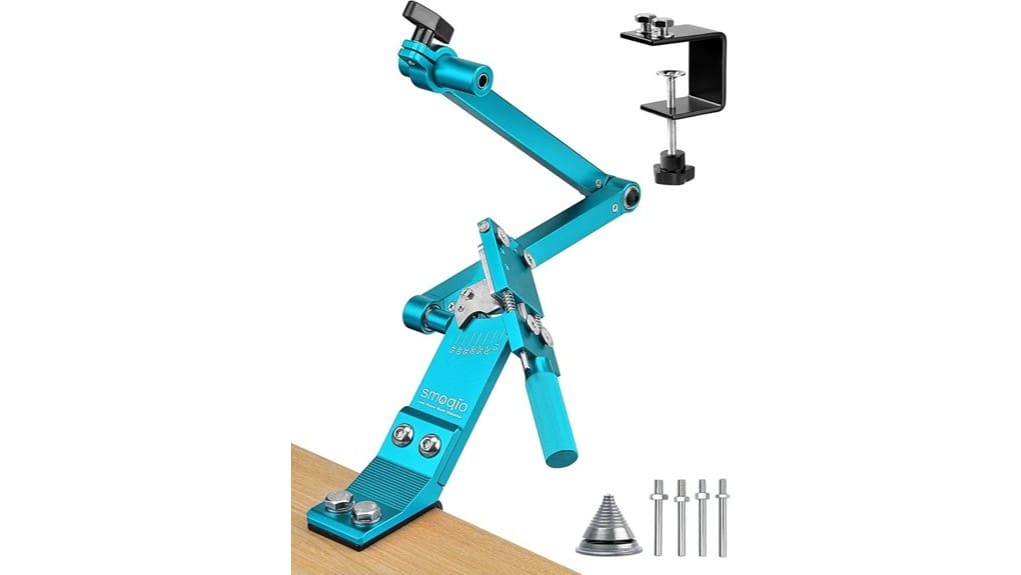
When you mount a blade in the jig and lock it down, the sharpener holds the blade at a controlled angle while your grinder removes metal to restore the edge—this repeatable setup is what gives you consistent, factory-like results. You set angle adjustment from 15°–45° to match factory bevels, then secure blades 1.69"–3.54" wide. Precision-fit bushings and ball bearings cut wobble, so each pass is uniform; follow bearing maintenance to keep smooth motion. Dual mounting, included wrenches and a zinc balancer simplify setup and balance checks, so you and your crew get reliable, professional-quality edges. For homeowners maintaining their property, regular sharpening and proper maintenance of the sharpener can extend blade life and improve cut quality, especially when paired with home lawn care routines.
Who Benefits Most : When to DIY vs. Use a Pro
If you handle routine mower upkeep and have a basic grinder, you’ll save time and money sharpening your own blades with this jig—its adjustable angles, precision bushings, and balancer let you match factory bevels and verify balance without a pro. You’ll benefit if you value control, want consistent cuts, and enjoy learning hands-on tasks alongside neighbors who trade tips. Hire a pro when blades are damaged, you lack tools, or you prefer warranty-backed service. Always follow safety precautions, and plan sharpening around seasonal timing—early spring and late fall—to keep your mower efficient and your lawn looking its best. Many homeowners also choose accessories and replacement parts from retailers that specialize in mower blades and related equipment to keep their tools in top shape.
Compatibility, Setup, and Step‑by‑Step Sharpening Checklist
Because the jig fits most common mower blades and offers clear setup steps, you'll get consistent results quickly when you follow a concise checklist. Check blade compatibility first: widths 1.69"–3.54", thickness ≤0.28", length ≤30". Gather grinder, wrenches, guide pins and balancer. Mount jig using clamp or bolt-down option; install guide arm and precision-fit bushing, set grinding angle 15°–45°. Secure blade, mark original edge, and use included wrenches to tighten. Run light passes, keep consistent strokes, then flip and repeat. Finish by balancer check and cleanup. Use this setup checklist every time for reliable, shared results. Regular maintenance of the jig and blades helps extend tool life and keeps cuts clean for long-lasting performance.
Cost, Time Savings, and When It Pays for Itself
While the upfront cost looks higher than a simple file, you'll recoup that investment quickly by cutting sharpening time and extending blade life. Do a simple cost analysis: compare the sharpener price to replacement blades and paid sharpening services. If you mow frequently or maintain multiple mowers, the per-use cost drops fast. Time savings come from consistent setup, faster grind cycles, and fewer rebalance passes. You’ll save labor and avoid uneven cuts that stress grass. It pays for itself within a season for regular users and within a couple seasons for occasional users who value reliable results. For homeowners who maintain their property regularly, investing in a quality sharpener makes sense because it supports proper mower care and routine maintenance.
Some Questions Answered
Can This Sharpener Handle Mulching Blades or Only Standard Straight Blades?
Yes — you can sharpen mulching blades, not just straight ones. You’ll get mulching compatibility through the adjustable angled grind (15°–45°), letting you recreate the curved, swept edges mulching blades need. Use the precision-fit bushings and guide arm to reduce wobble, then check balance with the zinc-alloy balancer. Follow manufacturer thickness and length limits, clamp securely, and you’ll join other users who keep blades performing cleanly and confidently.
Will Sharpening Affect Blade Metal Hardness or Cause Premature Wear?
No — sharpening won’t change factory heat treatment or markedly alter grain structure if you use light, controlled passes and avoid overheating. You’ll remove metal, restoring a keen edge without softening the steel provided you don’t grind so long the blade glows. You’ll keep wear normal by using proper angles and the guide’s precision bushings. Together you’ll protect hardness, extend service life, and feel confident maintaining blades with care.
Are Replacement Parts (Bushings, Bearings) Available Separately?
Yes — you can get replacement parts like bushings and bearings separately. Check the manufacturer for parts sourcing and OEM replacement cost; they'll often list compatible bushings, bearings, and wrenches. If the maker’s unavailable, search trusted grinders and small-parts suppliers for matching sizes (precision-fit bushings, ball-bearing guide arms). You’ll save money and stay connected with other users by sharing part sources and tips in owner forums and local shops.
Is the Sharpener Safe for Use by Inexperienced DIYERS or Kids Nearby?
Yes — with proper safety guidelines and supervision recommendations, you can use the sharpener safely, but you shouldn’t let kids operate it. You should wear eye and hand protection, secure blades in the clamp or bolt-down mount, and follow adjustable-angle and bushing setup steps precisely. Keep kids at a safe distance, supervise inexperienced DIYers closely, and check the zinc-alloy balancer and guide pins before each use to prevent wobble and accidents.
Can I Sharpen Mower Blades While Still Attached to the Mower?
You shouldn’t sharpen mower blades while they’re still attached. You’ll need to remove blades to control safety precautions, avoid motor torque damage, and set the proper grinding angle. Removing blades lets you check and correct blade balance and secure the cutter in the sharpener’s guide pins or clamp. If you’re unsure, ask a friend or pro so you feel supported and safe while doing the job.