In January in the Pacific Northwest you’ll see cool‑weather fungi like pink snow mold and Fusarium patch after long wet spells or snow cover, which show as circular dead patches with pinkish or white mycelium or light brown rings; now act fast by improving drainage, raking matted turf, easing compaction with aeration, and delaying heavy nitrogen, and only use targeted fungicides preventively if forecasts predict prolonged moisture—this is where quick inspection, simple on‑site tests, and timely cultural fixes save spring recovery, and you can learn specific ID cues and treatment timing next.
Some Key Takeaways
- Cool, wet January conditions (40–60°F) in the PNW favor snow molds and other cool‑temperature fungal diseases.
- Pink and gray snow mold cause circular patches with pinkish or white/gray mycelium after prolonged snow or wet spells.
- Fusarium patch and yellow patch create light brown to yellow rings active during long leaf wetness and mild winter days.
- Red thread and rust show distinctive red threads or orange/brown pustules on blades, often linked to low nitrogen.
- Differentiate fungi from grubs or vole damage by pulling a sod plug, checking for larvae, tunnels, or visible fungal growth at margins.
Primary Search Intent and Format: Quick Diagnostic Guide for January Lawn Problems
Because January weather in the Pacific Northwest gives fungi plenty of wet, cool conditions, you’ll want a quick, practical way to identify and respond to the most common winter turf diseases, and this guide does exactly that. You’ll learn to spot pink snow mold by pinkish threads or spores on blades, gray snow mold by fluffy white or gray mycelium at patch edges, and yellow patch by light brown to yellow rings that linger in soggy, thatchy turf, all common winter lawn diseases you’ll face. Now, the key is diagnosis then action: improve drainage, remove leaves, dethatch and aerate to dry the turf, avoid late fertilizing, and consult local Extension about preventive fungicide timing if cultural steps don’t suffice. For homeowners, having proper lawn care equipment on hand makes cultural controls like aeration and dethatching much easier.
How Winter Weather in the Pacific Northwest Sets the Stage for Lawn Disease
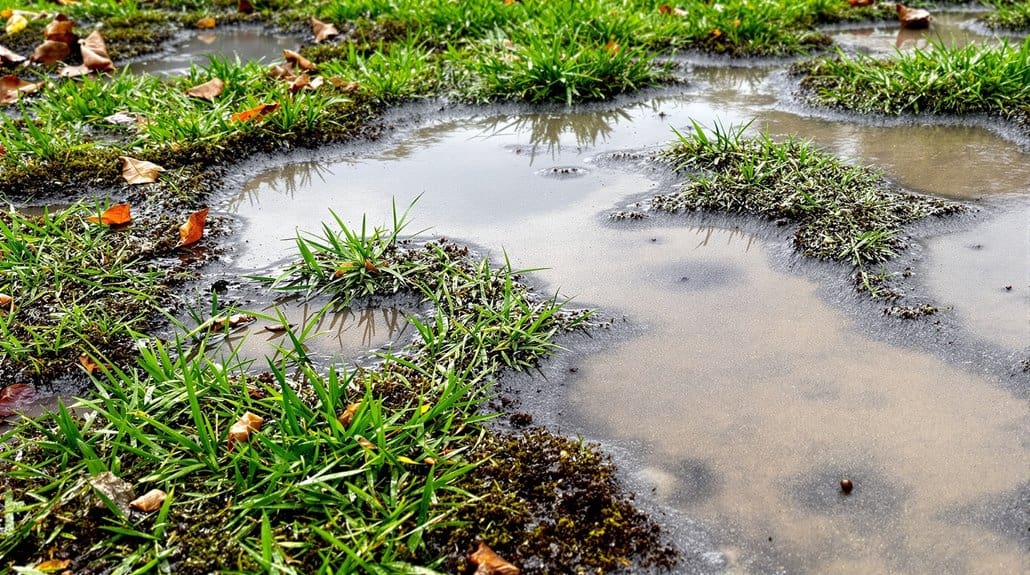
You’ll notice January’s cold, wet stretch — long periods of leaf wetness, saturated soils, and frequent overcast days — sets the stage for cool‑temperature fungi like yellow patch and pink/gray snow mold, so start by watching for expanding patches and soggy crowns. Now, if temperatures stay mild (around 40–60°F) with high humidity, those diseases can stay active instead of sleeping through winter, so check compacted or poorly drained spots and address standing water or thatch to reduce risk. This is where snow cover or repeated freeze–thaw cycles make things worse, trapping moisture and insulating pathogens under the snow, so plan for improved drainage and lighter surface grooming to limit mold growth. Consider targeted fungicide options and lawn-care tools to manage outbreaks and prevent recurrences, especially when treating cool‑temperature fungi.
Cold, Wet Conditions
When Pacific Northwest winters sit in that 40–60°F sweet spot and stay wet for days on end, fungal pathogens that like cool, damp conditions get a real advantage and your lawn becomes an easy target—now is where you need to pay attention. You’ll see snow mold, especially Microdochium nivale, and other cool-weather fungi thrive in wet weather, creating small circular brown, yellow, or pinkish patches that can expand through late winter, and the key is moisture at the crown. Thick thatch, compacted soil, or heavy organic matter traps that moisture and raises risk, so now you gently test drainage, reduce excess thatch, avoid late high-nitrogen feeds, and improve airflow, because those steps cut leaf wetness and limit disease spread. Consider using targeted cultural controls and products from reputable lawn care suppliers to manage moss and reduce disease pressure through the winter, including moss control techniques that improve drainage and turf health.
Snow Cover Effects
Cold, wet winters set the stage, and now you need to look at what the snow itself is doing to your turf. When snow cover stays 60–90+ days it keeps soil cold and blades damp, this is where fungi like pink snow mold and Typhula blight grow unseen, and when snow melts into wet mats at 40–60°F, pathogens such as Microdochium nivale and Rhizoctonia species make circular dead patches. Repeated freeze–thaw cycles beneath the snow weaken crowns and roots, slowing spring recovery, so now the key is reducing risk before snowfall. Rake leaves, remove heavy thatch, improve drainage, avoid excess late fertilizer, and leave a slightly higher mow height; these steps cut moisture traps and give your lawn a better chance to bounce back. Also, consider maintaining your irrigation and sprinkler system in top condition so it doesn’t contribute to winter moisture problems and supports lawn maintenance year-round.
Top Fungal Diseases in January: Pink Snow Mold and Fusarium Patch
Think of your lawn as a living blanket that can get smothered and sick in winter, and by January you’ll often spot the two fungal problems that matter most here: pink snow mold and Fusarium patch. You’ll see pink snow mold—Microdochium nivale—as pinkish-white fungal growth and circular patches after prolonged snow or during cool wet weather, and Fusarium patch as light brown to yellow rings active in cool 40–60°F conditions, both favored by poor drainage, heavy thatch, and cloudy, wet winters. Now, inspect turf for circular patches and mycelial margins, remove excess snow or leaves when safe, and focus on cultural controls: dethatch or aerate, improve drainage and airflow, avoid late high nitrogen, and expect recovery from crowns in spring if you act early. Consider using soil conditioners to improve drainage and overall lawn health.
Cold‑Weather Fungi With Late‑Winter Symptoms: Red Thread and Rust
After you’ve checked for snow mold and Fusarium patch, keep an eye out for two other late‑winter culprits that show up on blades rather than crowns: red thread and rust. You’ll notice red thread as irregular yellow‑to‑pinkish patches when conditions are cool wet, and thin red fungal threads on leaf tips confirm the diagnosis, this is where low nitrogen and poor drainage often play a role. Rust appears as tiny yellow specks that turn into raised orange‑to‑brown pustules, releasing powdery spores and signaling under‑fertilized turf. The key is that both favor prolonged leaf wetness, they rarely kill crowns, so start with cultural fixes: raise nitrogen moderately, core‑aerate, improve sunlight and air flow, and cut drying time—fungicides only after diagnosis. Consider having the right tools on hand, like a quality aerator and spreader, to make those cultural fixes easier core‑aeration.
Moisture‑Driven Outbreaks: Identifying Brown Patch and Dollar Spot in Wet Winters
Now that winters have unusually wet and mild in the PNW, you’ll want to look closely for brown patch, which shows light‑brown to yellow circular areas with a grayish “smoke ring” edge and sometimes visible mycelium in humid conditions. This is where dollar spot can be confused with brown patch, so check individual leaf blades for coin‑sized, bleached‑tan spots that often have reddish‑brown borders and can grow to several inches when moisture is constant, a sign of low fertility and damp turf. The key is to inspect blades and margins carefully, because recognizing the smoky, donut‑like edges of brown patch versus the straw‑colored, coin‑shaped lesions of dollar spot tells you whether to adjust nitrogen and drainage now, rather than reach for a fungicide after patches are established. Consider improving soil health with organic insecticides and proper cultural care to reduce disease pressure and support a resilient lawn.
Brown Patch Identification
Catch brown patch early by looking for its signature large, circular, brown rings and that faint grayish-white “smoke ring” at the edge, because in an unusually mild, wet January those telltale donuts can show up even when you weren’t expecting a warm-season disease. You’ll recognize Brown patch as a fungal problem, forming doughnut-like rings that are bigger than coin-sized spots, and while it’s most active in a humid summer, prolonged leaf wetness and poor drainage in winter bring it out too. Now walk the lawn, note patch size and smoky margins, check thatch and soil moisture, and remember the key is to improve drainage, increase airflow, reduce excess irrigation, and core aerate so you and your neighbors keep the turf healthy. Homeowners can help prevent recurring problems by using core aeration regularly to relieve soil compaction and improve drainage.
Dollar Spot Signs
If your lawn’s stayed unusually wet through January, you’ll often spot dollar spot as coin-sized, bleached-tan circles that can creep outward to about 6 inches and sometimes join into irregular patches, and the key is to recognize those small, pale “coins” early because they look very different from the larger, doughnut-shaped brown patch rings. You’ll see coin-sized spots with straw-colored lesions on upright blades, often edged with reddish-brown borders, especially in a cold wet winter when prolonged leaf wetness lets the fungus thrive. Now walk the turf, look closely at patch margins for fuzzy growth or leaf lesions, and address causes—improve drainage, reduce fall irrigation, thin thatch, and dial back fertility—to prevent spread before fungicides become necessary.
Non‑Fungal Look‑Alikes: Crane Fly Larvae, Chafer Grubs, and Vole/Runway Damage
You’ll often think a brown, patchy lawn in January is a fungus, but more often it’s a look‑alike problem caused by insects or small mammals, and the key is knowing which signs to look for so you can act correctly. You’ll find crane fly larvae (leatherjackets) in thatch or upper soil, tan to gray and about 3/4–1 inch long, and when you lift sod it may peel away easily; this is where aeration and encouraging predators help. Chafer grubs are C‑shaped, white with brown heads, eat roots and let turf roll back like carpet. Vole runways are narrow surface paths, 1–3 inches wide, with clipped grass, droppings and gnawed roots, and respond to habitat reduction and trapping rather than fungicides.
Spot Inspection Checklist: What to Look for in January (Patch Size, Rings, Fungal Growth)
Now start by scanning the lawn for patch size and shape, because spots can range from 2–3 inch rings to several‑foot circles and that scale helps narrow causes. Next, look closely at ring patterns and centers—bullseye or donut shapes, lighter centers with darker rims, or concentric rings often point to diseases like fairy ring, Fusarium, or snow mold, so note whether centers are healthy, sunken, or discolored. Finally, inspect margins and blades for visible fungal growth such as white or pink mycelium, gray “smoke rings,” or water‑soaked lesions with reddish borders, and probe the turf for poor roots or excess thatch to confirm a fungal problem and decide your next step.
Patch Size And Shape
When you walk your lawn in January, pay close attention to the size and shape of any discolored patches, because those patterns tell you a lot about what's causing them and what to do next; small 1–3 inch reddish-brown or tan spots can point to Fusarium (pink snow mold) or Curvularia and those little spots may join into larger rings if cool, wet weather sticks around, while larger, irregular brown circles with smoky or grayish margins often mean brown patch or yellow patch, and coin-sized bleached spots that grow to 4–6 inches are typical of dollar spot. Now look for reddish-brown circular patches and donut-shaped patterns, note persistence, check margins for visible fungal growth, and measure diameters so you can target treatment where it matters.
Ring Patterns And Centers
Take a close look at any rings or donut-shaped patches you find, because their centers and margins tell you as much about the problem as the size does, and spotting the right sign now will steer your next steps; gently press into the center of a ring to see if grass has recovered or is dead, note whether the center is greener (a recovered hub common with some fairy rings or brown patch complexes) or bleached and brittle (which points to persistent necrosis from ringspot or dollar spot), and then examine the margin for visible fungal activity—look for grayish “smoke” borders that mean an active moving front, pink or white tufts of mycelium that signal pink snow mold (Microdochium), or fine red threads that suggest certain rusts or patch fungi. Now, measure coin-like patches, often 2–6 inches wide, because rings with healthier or recovered centers tend to expand, and checking soil moisture, thatch, and recent snow cover beneath them gives you the context you need to decide whether to monitor, improve drainage, or plan targeted treatment.
Visible Fungal Growth
You already looked at ring centers and margins, so this is where you focus on the visible fungal growth itself—the active signs that tell you which pathogen is at work and what to do next. Now walk the patch edge and note size and texture, because January patches run from a few inches to several feet and may merge into irregular areas; the key is spotting mycelium or colored growths at margins, like pink mycelium from pink snow mold or grayish-white “smoke rings” of brown patch. Inspect blades for pustules, bleached lesions, or slimy tufts, probe thatch for root decay versus surface-only issues, and correlate prolonged wetness, poor drainage, heavy thatch, or past snow cover to narrow the likely culprits and plan treatment.
Simple On‑Site Tests and When to Send Samples to a Lab
If symptoms pop up in January, start with a few simple on‑site checks that’ll tell you whether you’re dealing with a fungus, a root problem, or pests, and the key is to collect the right clues now so you don’t waste time guessing; in the cool, wet Pacific Northwest mornings, rub a white cloth over suspicious turf to look for pink, white, or red spores (pink snow mold, snow mold/typhula, or red thread) or orange/yellow powdery rust, peel back a 6‑inch square of sod to inspect crowns and roots for brown mushiness or blackened roots (signs of root diseases like take‑all patch or necrotic ringspot, or grub damage), and use a moisture and soil temperature probe to record leaf wetness and temps—many cool‑season pathogens are active in prolonged wetness and around 40–60°F. Now, if you find C‑shaped grubs after warming, you’ve got pests and no lab is needed; this is where you act. If symptoms are mixed, widespread, or unclear, send a fresh sample to your local university extension with moist root/turf plugs, clear photos, dates, weather and management notes, so you and your community get accurate diagnosis and targeted advice.
Immediate Steps to Limit Spread in January: Drainage, Mowing, and Debris Removal
When water pools or leaves sit damp on your lawn through January’s cool, wet mornings, disease has the upper hand, so start by fixing how water moves and how much moisture the turf sees; direct downspouts away from the lawn, clear compacted low spots or add shallow surface channels so water won’t linger, and if the soil’s worked up enough, core‑aerate to open the root zone and break up thatch that shelters fungi. Now, the goal is to reduce prolonged leaf wetness and improve surface drainage so pathogens that thrive at 40–60°F don’t get a foothold; rake and remove fallen leaves and debris promptly, and mow only if grass is actively growing, keeping height within species recommendations to avoid stress.
When to Treat: Cultural Fixes vs. Targeted Fungicides and Pesticide Timing
Because January’s cool, wet spells set the stage for many turf diseases, you’ll want to prioritize cultural fixes first and keep chemical treatments strictly targeted and timely, not reactive; the key is to lower leaf wetness and thatch now, so the pathogens that thrive at 40–60°F don’t get a foothold, and only consider fungicides as a preventive when a specific disease is reliably identified and weather forecasts show prolonged moisture or extended snow cover. Now, focus on drainage improvements, reduce thatch with aeration or dethatching when conditions allow, avoid overwatering, and keep clippings clear so moisture dissipates, this is where resiliency pays off; if you must spray, time preventive fungicides before peak wet periods, rotate actives, and keep tidy records.
Recovery Plan for Spring: Aeration, Dethatching, Reseeding, and Fertilizer Strategy
You’ve taken steps to cut leaf wetness and thatch back in winter, so now it’s time to push your lawn from survival mode into recovery mode with a focused spring plan: start by core-aerating as soon as the ground thaws and holds, which pulls small soil plugs to relieve compaction and lets oxygen, water, and nutrients reach roots more easily. Now, this is where you dethatch mechanically if thatch tops about a half inch, removing the loose material so seed and topdressing touch soil and fungal harborage drops. Reseed thin areas and yellow patches with a region-appropriate mix, keep seedbeds moist, apply a light compost topdressing, and use split, moderate-rate fertilizer to support steady root recovery.
Some Questions Answered
What to Put on a Lawn in January?
You should mostly avoid fungicides in January, instead do soil testing now, choose seed selection thoughtfully for your lawn’s shade and soil, and hold off on heavy winter fertilizers until late winter; this is where a light, slow‑release winter fertilizer helps recovery. Core‑aerate if soil’s unfrozen, topdress lightly, and apply crabgrass preventer only if labeled for cool conditions. The key is measured actions that reduce disease risk and boost recovery.
How Can I Tell What's Killing My Lawn?
You start by looking for diagnostic signs: circular patches, fungi growth, or chewed roots, and you'll inspect root health by tugging turf—living crowns with discolored leaves point to disease, peeled-up sod with C-shaped larvae points to grubs. Now check soil compaction and water patterns, because compacted, soggy spots favor fungi while dry stress invites pests. The key is matching symptoms to timing, then aerate, adjust irrigation, and treat accordingly.
Is There an App to Tell Me What's Wrong With My Grass?
Yes — you can try mobile diagnostics and photo ID apps, some give real-time suggestions, though subscription apps often offer better detail. Start by taking close, clear shots of lesions and wide patches, add weather notes, then compare app IDs to local extension guidance. Now, if the app’s unsure, send samples for lab confirmation; the key is using apps as a first step, not the final diagnosis, and follow local advice.
Can You Treat Lawn Fungus in the Winter?
Yes, you can limit winter fungal outbreaks, but you won’t usually cure established patches, so act preventively: apply a labeled dormant fungicide in late fall when conditions permit, now focus on moisture management to cut prolonged leaf wetness, and improve drainage so cool-season pathogens can’t thrive. This cold treatment mindset, combining timing, cultural fixes, and local diagnosis when problems recur, gives you realistic, measurable control by spring.