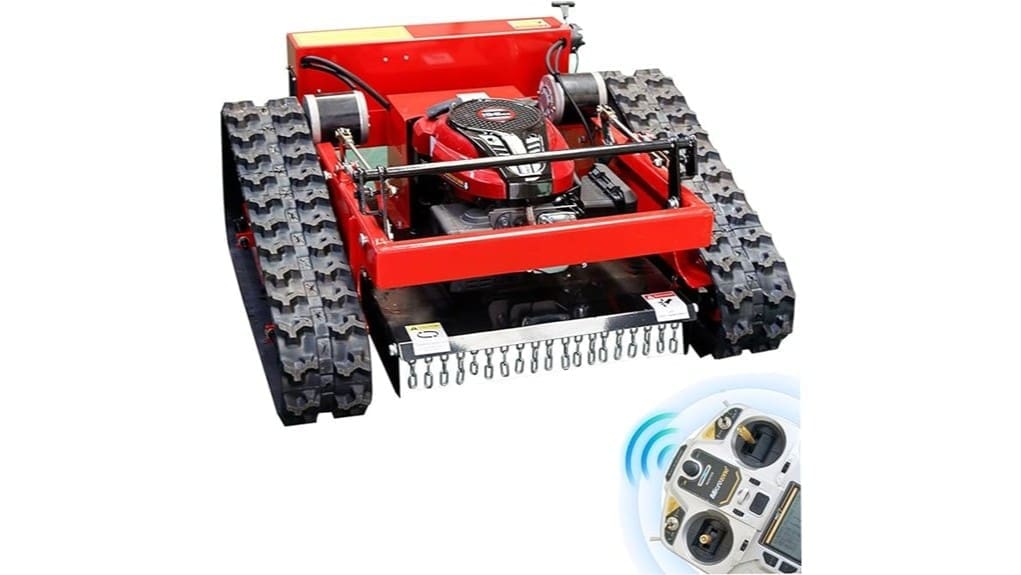
Start by mapping a 12‑month cash flow so you know payroll, fuel, seed, fertilizer, chemicals, maintenance, and marketing needs, then set pricing per 1,000 sq ft using true labor rates (wages + taxes + benefits, adjusted for non‑billable time). Now build best/likely/worst scenarios, set triggers (cash <15% payroll, A/R >45 days), and plan soft/medium/hard actions. Something to ponder: fund a replacement reserve and track CAC vs LTV for smarter growth — keep going to learn the templates and tools.
Some Key Points
- Estimate lawn size and multiply by task-specific rates (mowing, fertilizing, seeding) to build a baseline annual budget per 1,000 sq ft.
- Forecast seasonal cash flow by month, include timing of invoices and payments, and run best/likely/worst scenarios for planning.
- Calculate true labor and equipment hourly burdens (wages+benefits, nonbillable time, fuel, maintenance, depreciation) for accurate pricing.
- Budget seed, fertilizer, and chemicals by material rates plus 10–15% waste and align purchases with program timing and soil tests.
- Set trigger thresholds (cash, A/R aging, margin drops) and predefined soft/medium/hard responses to protect liquidity and service levels.
Start With a 12-Month Cash Flow Map for Your Lawn Care Season

Start by building a simple 12-month cash-flow map you can actually use, not some dusty spreadsheet that lives in a folder. You’ll create a 12-month rolling cash-flow map showing monthly inflows like client invoices and seasonal contracts, and outflows such as payroll, fuel, fertilizer, and loan payments, so you spot seasonal peaks and troughs and don’t get surprised in winter. Now, break costs down using activity-based costing, assigning labor hours, seed and fuel per service to sharpen margins. Something to keep in mind: amortize capital replacement for mowers, trucks and sprayers into monthly accruals, so you’re saving, not scrambling. Update monthly, compare actuals to forecast, and run best/likely/worst scenarios to protect your team. Also plan lubricant and maintenance schedules for equipment with a simple checklist to avoid downtime and extend service life, focusing on essential lubricants for common homeowner equipment.
Calculate True Labor Cost per 1,000 Sq Ft (Wages, Benefits, Downtime)
Figure out what labor really costs you, not what you pay on a paycheck, because that hidden gap is where margins vanish and surprises hide. Step 1 — Add base wage, payroll taxes and benefits to get a true labor rate, for example a $20/hr pay plus 10% taxes and $2 benefits = $24. Step 2 — Inflate for non-billable time by dividing paid hours by productive hours, if 40 paid vs 32 productive, multiply ×1.25. Now calculate labor cost per 1,000 sq ft by timing how long a 1,000 takes, say 0.5 hours × $24 = $12. Something to take into account: include a seasonal wage premium (10–20%) and overtime, then verify monthly with time-tracking and adjust pricing. Also remember to factor in battery charger considerations for equipment downtime and maintenance that affect productive hours.
Track Equipment Cost Drivers: Fuel, Maintenance, Depreciation, Replacement
Now start tracking the big four equipment cost drivers—watch fuel by logging gallons per hour for mowers and miles per truck so you can cut that 8–12% slice of operating costs, don’t guess. Schedule preventive maintenance every 50–100 hours and keep maintenance logs or telematics, because routine upkeep saves big on repairs and tells you when depreciation or frequent downtime means replacement is cheaper than another fix. Something to bear in mind: set a replacement fund (3–7% of revenue or $5–$15/hr), use straight-line or hours-based depreciation for estimates, and if you’ve been flying blind, this data will stop the costly surprises. Regular blade sharpening improves cutting performance and can reduce fuel and maintenance needs when done properly; consider blade sharpening as part of your routine.
Fuel Cost Monitoring
You’ll want to get a tight handle on fuel costs before they quietly eat your margins, so start logging gallons and run hours for every mower, truck, and ATV—yes, even the old zero-turn that always seems to drink more than it should—because when you divide total fuel spend by total running hours you’ll see which machines are real gas hogs and which ones are behaving. Now, use a fleet log and telematics to reconcile odometer hours, gallons, and MPG or gallons/hr, investigate sudden drops over ~10%, and reduce outliers by 10–20% with route or idle-time fixes. Something to keep in mind: add maintenance, consumables, and depreciation into an equipment cost-per-hour, build a monthly dashboard, and set thresholds that trigger reviews. Regularly inspect and replace fuel filters to help maintain fuel efficiency and protect engines.
Maintenance Scheduling
You’ve already started logging fuel and run hours, so the next step is to lock in a maintenance schedule that treats every cost driver as part of the same equation, not separate headaches. Now, make fuel usage per vehicle a regular line item, record gallons and miles monthly, and tie that to routing so you stop guessing which route eats the budget. Track maintenance and repair costs by asset, log oil changes, blades, belts and tires, then annualize them to get an hourly equipment burden you can quote. Something worth pondering: depreciate major equipment on a set timetable so you don’t get surprised. Finally, fund a fleet replacement reserve monthly, it’s boring but lifesaving. You’ll thank yourself. Consider also keeping spare spark plugs on hand for quick repairs and reduced downtime.
Depreciation & Replacement
Because equipment eats cash slowly but relentlessly, treat depreciation and planned replacement as part of every price you set, not a vague “someday” problem—start by assigning a useful life to each major asset (mowers, trucks, trailers) and record straight-line annual depreciation so you know how much to tuck away each year. Step 1: calculate annual depreciation for each item, so a $30,000 truck over seven years means about $4,285/year, and you’ll stop pretending you can wait to replace. Step 2: track maintenance and repair monthly, compare to 5–8% benchmarks, and notice when patching costs beat replacing. Now, build a sinking fund, inflate at 3–4%, and allocate per job, so you won’t panic when it’s time to replace a mower. Regularly review your equipment needs against your property size and workload to ensure you own the right machines for the job.
Build Inventory Line Items: Seed, Fertilizer, Chemicals, and Waste Allowances
As you start building inventory line items for seed, fertilizer, chemicals, and waste allowances, think of this as the spreadsheet stage where your future lawn work either becomes a tidy plan or a chaotic pile of receipts—trust me, I’ve learned the hard way. Start by budgeting seed by grass type and area, use seeding rates to calculate pounds, and add 10–15% for waste and contingency; don’t guess. Plan fertilizer buys around your program, soil test needs, and buy slow‑release blends for spring, fall, and a winterizer, roughly 30–50 lbs/1,000 sq ft annually. Allocate chemicals separately for pre‑ and post‑emergent work, include a 5–10% handling allowance, and bulk‑buy off‑season while tracking expiry. Consider including a line item for Kentucky Bluegrass seed if that’s your primary turf type.
Include Marketing and Client-Acquisition Spend by Channel and ROI
Now start tracking channel-specific ROI and don’t just spray money everywhere — allocate 8–12% of projected revenue, split it by channel, and measure CPL and CPA so you can compare each channel’s cost to the lifetime value of a maintenance client. Something to ponder: aim for a CPA no greater than one-third of LTV and require at least a 3:1 payback over 12 months on paid channels, and if your conversion tools (CRM, two-way texting) improve estimates-to-sales by 10–20%, you’ll cut effective CPA fast. I’ve wasted ad dollars chasing vanity metrics before, so test new channels with 10–15% of the budget, expect a 2:1 short-term return within 90 days before you scale, and keep tightening the math.
Channel-Specific ROI Tracking
Channel-specific ROI tracking pulls your marketing out of the fog and into numbers you can act on, so start by naming each channel and assigning month-by-month CPA and attributed revenue — yes, even the awkward ones like door-to-door and that postcard you sent last spring that barely kept the phone ringing. Now, track CPA, conversion-rate, and channel ROI by attributing first- and last-touch revenue over 12 months, compare outcomes to your LTV:CAC target (aim for LTV ≥ 3× CPA), and include retention and upsell in LTV. Do this: forecast leads using channel benchmarks, calculate blended payback months, prioritize channels with payback under your seasonal cashflow window. Something to take into account: be honest about past bets, cut what drains cash, double down on what pays back.
Cost Per Acquisition
Think of Cost Per Acquisition as the thermometer for your marketing: it tells you whether your spend is getting warm leads or just burning cash, and you’ll want to get ruthless about measuring it. Step 1 — Track CAC by channel: divide total channel spend by new clients, include ad spend, postcards, referrals, plus indirect costs like sales time and software so the true Customer acquisition cost isn’t hiding. Now calculate LTV to judge ROI, compare LTV:CAC and aim for at least 3:1. Something to keep in mind — measure funnel conversion rates (impressions→leads→estimates→clients) and update a 12-month marketing forecast monthly. Do this, not that: cut channels with poor CAC, double down on winners.
Lifetime Value Comparison
When you compare lifetime value against what you spend to acquire customers, you get the clearest signal about which marketing bets are worth keeping and which are quietly draining cash; treat this like an audit you run every month, because assumptions that felt safe six months ago often don’t survive real data. Start by calculating Customer Lifetime Value: annual lawn care revenue per client (eg, $960) × retention years (eg, 3) minus direct service costs, and include onboarding/setup fees so first-year math is honest. Now track cost-per-acquisition by channel, using codes or landing pages, and only scale channels where CPA stays below your CLV payback target. Something to bear in mind: reinvest high-ROI gains into retention to lift CLV further.
Model Automation, Software, and Admin Overhead as Recurring Costs
If you want reliable margins, model your automation and software costs as monthly, not one-off, expenses—do the spreadsheet math now so surprises don’t eat your profits later. Now, treat automation and scheduling software as SaaS: budget $150–$400/month per location for modules like scheduling, invoicing, and route optimization, plus recurring costs for BI sync and QuickBooks reporting, maybe $50–$200/month. Something to keep in mind: chatbots, estimate follow-ups, and payment reminders run $25–$150/month plus per-message fees, and they need 0.5–2 hours/week maintenance, which counts as admin overhead. Don’t forget telematics, inventory, and user licenses—plan $10–$60/month per item, and allocate 4–8 hours/month ($80–$320) for integration and training to avoid chaos.
Set Per-Service and Per-Annual-Package Pricing Using Activity-Based Costing

Because accurate pricing starts with knowing exactly what each activity costs, you’ll want to build your per‑service and annual package prices from Activity‑Based Costing (ABC) rather than guessing with blunt averages. Step 1 — measure and record average crew time and inputs, convert minutes into dollars at your labor rate, add fuel, consumables, and equipment depreciation so per-service pricing reflects real costs; don’t estimate. Step 2 — include nonbillable activity pools like route time and admin, allocate them by labor hours, and stop undercharging for overhead. Now, for annual packages, sum each activity’s ABC cost, add target profit and a capital recovery line for mowers. One thing to ponder: run a rolling 12‑month review monthly, so prices follow seasonality and cost changes.
Create Best/Likely/Worst Scenario Budgets and Trigger Points
You’ve just finished pinning real costs to each service with ABC, and now you’ll turn that clarity into a set of what-if budgets that keep you solvent through good months and bad. Step 1 — Build three 12‑month rolling cash flow scenarios: Best (15–25% growth), Likely (0–10%), Worst (−10–20%), updating monthly for seasonality and A/R timing. Now set trigger points like cash <15% of payroll, gross margin drop >5 points, or A/R aging >45 days to force action. Step 2 — For each scenario, plan soft, medium, and hard responses with savings and timelines, modeled using activity-based costing so you know route breakevens. Something to weigh: stress‑test a 30‑day shock and secure 30–60 days liquidity or staged supplier terms.
Plan CapEx and Establish a Quarterly Equipment Review Committee
Now set up a CapEx prioritization matrix and a quarterly equipment review committee, and don’t skimp on who’s at the table — owner/GM, ops lead, and finance need to meet in Jan, Apr, Jul, and Oct to compare asset age, hours, and replacement math. Something to ponder: keep an equipment register that shows maintenance costs and estimated replacement so the committee can use lifecycle triggers (repair-to-value, rising maintenance, downtime) and run a simple buy-vs-lease NPV when a machine starts bleeding money. Do this, not that — document every decision, update your 12‑month rolling CapEx forecast after each meeting, and if you’re like me and forgot to budget once, use short-term vendor terms or a line of credit to avoid last-minute panic.
CapEx Prioritization Matrix
If you want smarter, less stressful spending on gear, start by building a CapEx prioritization matrix that scores every piece of equipment on urgency, ROI impact, replacement cost, and downtime risk, then rank them by a weighted total so you know what to buy first and what to hold off on. Step 1 — score honestly: give urgency and ROI 1–5, factor replacement cost, and quantify risk of downtime; replace when repair costs exceed 30% of replacement value or uptime drops under 90%. Now map weighted totals, use a three-year rolling CapEx forecast to model buy vs. lease, cash flow, and financing. Something to keep in mind: track KPIs, document approvals, and learn from past impulse buys.
Quarterly CapEx Committee
You’ve already built a CapEx prioritization matrix and know which tractors and sprayers matter most; now set up a quarterly CapEx committee to keep that plan honest and actionable. Now, convene the CapEx committee every Jan, Apr, Jul, Oct, include folks from operations, maintenance, and finance, and own decisions together so nobody feels left out. Use an equipment scorecard each meeting to log age, hours, repair cost YTD, remaining useful life estimate, and replacement cost, then require committee sign‑off for purchases above your threshold. Maintain a 12‑month rolling CapEx forecast tied to cash flow, with best/likely/worst scenarios. Something to bear in mind: assign clear owners for procurement, maintenance scheduling, and disposal, track savings, and don’t repeat past impulse buys.
Monthly Budget Review Workflow: Variance Analysis and Corrective Actions
Start by pulling together last month’s actuals and the 12-month rolling forecast, and don’t skip the small stuff — those little slips add up faster than you think. Step 1: flag variances over ±5% for labor, fuel, and materials using simple variance analysis, then prioritize what hurts most. Now document root causes—overtime, supplier hikes, route waste—attach dollar impact and an estimated fix timeframe, because vague notes never help. Step 2: assign an owner and deadline, for example operations handles route tweaks in 30 days, procurement renegotiates in 60. Track KPIs—labor hours per job, fuel gallons per mile, material cost per job—each month for three months. Something worth weighing: escalate recurring or >$2,000/month hits to finance for plan B.
Tools and Templates to Automate Forecasting, Time-Tracking, and Reporting
When you tie forecasting, time-tracking, and reporting together with the right tools, the whole process stops feeling like guesswork and starts acting like a business system you can actually trust—so let’s build that system with automation, sensible defaults, and a few hard lessons learned from when we tried to wing it. Start with a 12-month rolling cash-flow forecast, hooked to scheduling software and two-way QuickBooks sync, so seasonal dips don’t blindside you. Now add time-tracking integrated with job-costing to capture labor minutes, drive time, and materials, so you price to hit that $14–$15/1,000 sq ft target. Implement activity-based costing to assign equipment wear and fuel per service. Something to keep in mind: automate vendor and inventory integrations to lock savings, trigger reorders, and keep reports auto-refreshing.
Some Questions Answered
What Is the 1/3 Rule in Lawn Care?
The 1/3 rule says, cut no more than one-third of blade height each mow. Now, set your mowing height so you’re not scalping, and manage clippings to avoid thatch buildup, don’t bag everything unless needed. Something to keep in mind: raise the deck in heat, and adjust irrigation timing to water deeply, less often. Do this, not that—mow more often, don’t scalp—and your lawn will recover faster.
How to Calculate Lawn Care Pricing?
Like a map that points the way, you calculate pricing by adding true costs, then layering margin. Now time labor per job, include payroll taxes/benefits, add consumables per squarefoot, apportion equipment hour costs, spread overhead, and add profit; adjust for seasonal pricing and service bundling, keep price transparency. Something to contemplate: track actuals 90 days, refine rates, don't undercharge because you assumed perfection.
What Is a Good Landscaping Budget?
A good landscaping budget is roughly 30–35% of revenue to labor, aim for a 20% gross profit, and plan $300–$900 yearly for seasonal maintenance, plus $150–$450 for core aeration. Now, include soil testing, thoughtful plant selection, and budget for irrigation upgrades, don’t skimp on equipment replacement funds. Something to keep in mind: negotiate supplier terms, forecast monthly cash flow, and charge for drive time so services don’t lose money.
What Is a Good Profit Margin for Lawn Care?
Aim for a 10–20% net margin, 15% is a strong target. Now, control labor and equipment depreciation by adding a per-job reserve, use service bundles to boost client retention, and avoid deep seasonal discounts that erode profit. Something to weigh: track activity-based costs so each job covers fuel, drive time, materials. Do this, not that — price smarter, not cheaper, and you'll protect growth and sanity.