You want ice melt that clears paths, not fries your lawn — here’s what to do now: pick low‑chloride options like calcium‑magnesium acetate or potassium chloride when temps are mild, use magnesium or treated calcium sparingly in colder weather, pre‑treat with brine to cut scatter, and keep a 2–3 foot buffer from beds. Shovel first, measure with a spreader, sweep up excess, and rinse any grass hit; something to keep in mind — smarter choices save your turf and cleanup, and there’s more practical detail ahead.
Some Key Points
- Avoid plain rock salt (sodium chloride); it burns grass and builds up in soil.
- Prefer non-chloride options (CMA/acetate blends) near lawns and waterways when temperatures allow.
- Use potassium chloride or magnesium chloride for gentler turf impact, but apply sparingly in colder conditions.
- Pre-treat pavement with a brine and use treated salts to reduce total spread and limit turf exposure.
- Measure product, maintain a 2–3 foot buffer from beds, sweep up excess, and rinse lawns promptly if contacted.
Which Ice-Melt Products Are Safest for Grass and Why
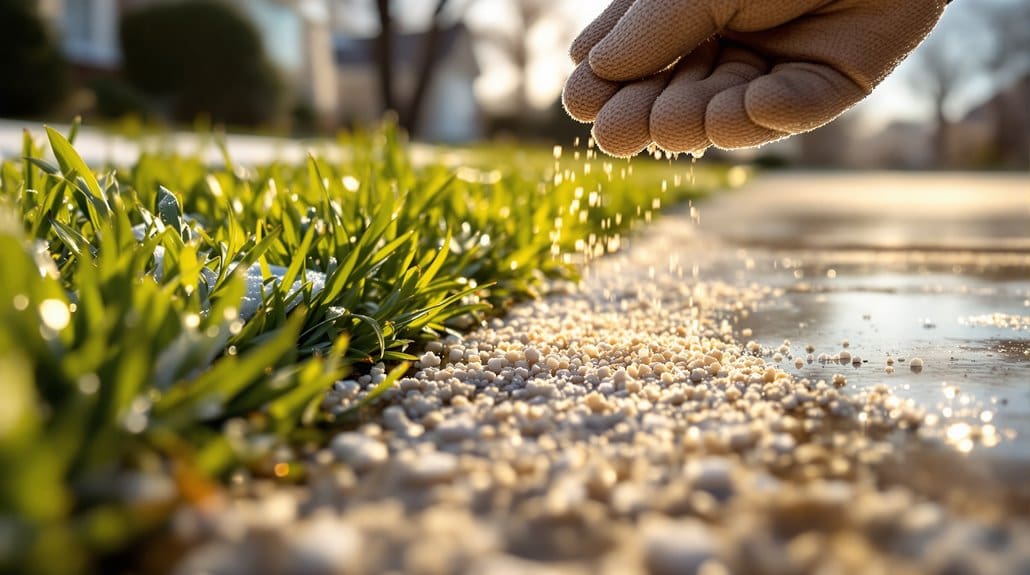
If you want to keep your lawn healthy through winter and not learn the hard way, start by choosing your ice melt carefully: chloride-based salts like plain rock salt (sodium chloride) will save you time on the driveway but they’re the worst for turf and soil, so don’t treat your grass like it’s a sidewalk. Now, think "gentler first": calcium-magnesium acetate (CMA) is kinder to vegetation and hardscapes, though it’s less powerful in deep cold. Calcium chloride works well at very low temps, but don’t overdo it or you’ll fry plants. Magnesium chloride is often marketed as turf-friendly, yet it can still harm grass and concrete. Something to weigh: potassium chloride acts like fertilizer, safer for turf but weak in extreme cold. Do less, sweep up excess, and you’ll keep your patch of neighborhood pride intact. For homeowners who care for their property, pairing safer ice-melt choices with proper equipment and hearing protection helps maintain both yard and personal safety.
How Chloride Types (Sodium, Magnesium, Potassium, Calcium) Affect Lawns
While it’s tempting to grab whatever de‑icer is cheapest and fling it across your driveway, understanding how different chlorides affect your lawn will save you headaches come spring; here’s a quick, no-nonsense guide to what each salt does, when to use it—or not—and how to keep your turf from paying the price.
Step 1 — Know the salts: sodium chloride is cheap and works to about 20°F, but causes lawn burn, browning, and salt buildup if you overdo it. Magnesium chloride melts lower, to around 0°F, and is kinder than rock salt, though it can still sting turf. Potassium chloride is gentler, even fertilizer-like, but only works above about 25°F. Calcium chloride works coldest, yet excess stresses plants. Now, use measured amounts, limit runoff, don’t repeat mistakes. For best home lawn care results consider choosing products and application methods that minimize salt damage and support overall turf health, like using lawn‑safe products.
Treated Rock Salt and Treated Calcium Chloride: A Practical Compromise
Treated rock salt and treated calcium chloride offer a practical compromise: they melt at lower temps and “stick” better, so you can spread less and cut how much chloride reaches your lawn. Now, do use the smaller application rates they recommend, avoid piling or overdoing it near beds, and don’t forget that both still contain chlorides that will hurt grass if runoff builds up. Something to keep in mind — for larger jobs, pair a brine pretreat and crew training with these products, not just heavier spreading; trust me, your future self (and the shrubs) will thank you. Many homeowners also find it helpful to keep a few spare hose couplings on hand for quick irrigation or cleanup around the yard.
Treated Salt Benefits
You’ll often find that switching from plain rock salt to a treated product gives you the best middle ground — better melting at lower temps and less collateral damage to your lawn — and yes, that’s coming from someone who’s over‑scattered a driveway in years past. Now, choose treated rock salt or a treated calcium chloride blend, because they work colder and are less damaging, especially when you follow sensible application rates. Here’s what to do now: use about a cup for a 20‑foot drive, avoid handfuls, and prefer mixes that stick so chloride doesn’t drift into lawns and landscapes. Something to bear in mind: property crews who pair treated salts with brine and training cut damage and save headaches later. For homeowners, matching the right product to the job and using proper storage and dispensing methods can prevent spills and unnecessary lawn exposure, and it also reduces waste by keeping treated products compatible with common lawn care equipment.
Application And Limits
If you want a practical compromise between melting power and lawn safety, go with a treated rock salt or a treated calcium chloride mix and stick to small, measured doses — I've learned the hard way that handfuls look reassuring but wreck sod. Step 1: Measure, don’t scatter; treated rock salt adheres better so you can hit recommended application rates, for example about a cup for a 20-foot driveway, which cuts chloride reaching turf. Step 2: Pre-treating surfaces with a brine before a storm reduces solids later, so you use less product and avoid lawn burn. Now, something to bear in mind: treated calcium chloride melts at very low temps and sticks, but overapplication still harms roots. Do this, not that—follow spreader settings or certified guidance, not guesses. Home lawns also benefit from proper potassium fertilization practices to strengthen grass so it tolerates winter stress better, including regular potassium fertilizers applications.
Non‑Chloride and Specialty Options: Cost vs. Lawn Impact
When you’re weighing non‑chloride and specialty de‑icers, think of them as the nicer, pricier dinner guests who don’t trash the lawn but still expect you to pay the bill; they’ll spare your grass from chloride burn far more than rock salt, but they cost a lot more per application and can bring their own quirks. Now, choose non‑chloride options like calcium magnesium acetate or acetate blends when you care about soil and waterways, and contemplate magnesium chloride or other lawn-safe salts if budget tightens, but don’t overapply. Something to contemplate: brine reduces scatter, yet isn’t chloride-free. Do this: buy less product, follow rates, spot-treat pathways, and skip heavy scatter. Don’t do that: blanket the yard and expect zero impact. For homeowners caring for irrigation and property equipment, consider guidance on backflow prevention to protect water quality and avoid contaminating irrigation systems.
Brine and Pretreating: How Liquids Reduce Lawn Damage
By spraying a thin film of brine on pavement before the snow starts, you can cut the amount of salt that ends up in your lawn by a big margin, and yes, that’s worth a little planning up front. Now: pretreatment means applying that liquid early, it sticks to concrete so less scatters into turf, and you’ll use far less chloride per square foot than tossing granules. Do this, not that: hire or learn proper dosing—too much defeats the point. Something worth noting: treated brines can include calcium chloride or magnesium chloride to work at colder temps, but they still beat heavy granular use for reducing lawn damage. Honest tip: you’ll save headaches, and your neighbors will notice. Consider using a tank sprayer designed for homeowners to apply brine evenly and control dosage.
How Much Ice Melt to Use: Correct Application Rates for Driveways and Sidewalks
Start smart: you don’t need a blizzard of salt to clear a driveway or sidewalk, and most of us overdo it—I've been guilty of pouring half the bag on a 20-foot drive, thinking more meant faster results, only to watch it sit there and wreck nearby grass. Step 1: measure. Use about 1 cup (~240 mL) for a 20-foot driveway or roughly ten 4x4 sidewalk squares; a single handful per square (¼–½ cup) usually works. Step 2: choose product wisely. Treated rock salt or calcium chloride often needs only ⅓–½ the rate of plain salt, so follow label application rates for turf protection. Now, pretreat when possible to cut total use. Something to keep in mind: sweep visible residue from edges to avoid salt buildup near turf.
Application Best Practices to Keep Product Off Turf and Beds
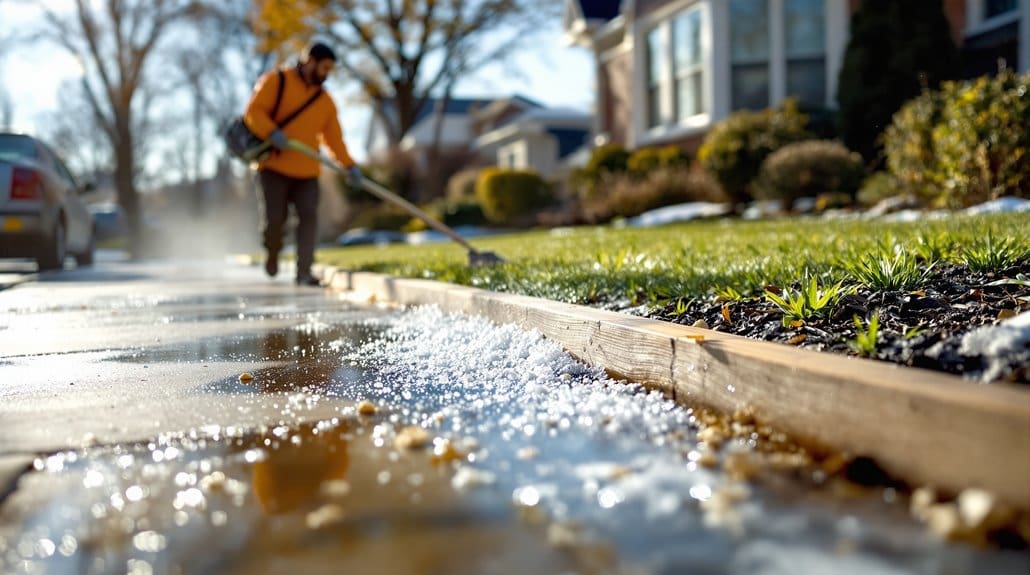
In dealing with icy walks and planted beds, keep the product on the pavement, not in your soil—you're going to use a lot less and save your grass. Step 1: shovel before applying, remove snow so salt works and doesn't get pushed into lawns. Step 2: pre-treat with a brine if you can, it sticks to pavement and cuts scatter. Now, apply sparingly with a handheld spreader—yes, most of us dumped five times too much once, guilty here. Something to weigh: maintain a 2–3 foot buffer zone between treated surfaces and beds, sweep excess granules back onto pavement, or vacuum them up. Train helpers or follow local guidance, keep rates low, and you’ll all keep the lawn in the neighborhood looking proud.
What to Do If Ice Melt Contacts Your Lawn or Kills Grass
Don’t panic—salts aren’t magic, they’re just messy, and there’s a lot you can do right away to limit damage and save your turf. Step 1: rinse affected lawn as soon as you notice contact, aim to apply about 1–2 inches of fresh water over 24–48 hours to dilute chloride salts; lightly scrape crusty residue first, then water thoroughly so salts leach below roots. Now, if you see brown or dead patches, wait until soil’s workable, cut out dead turf, loosen soil, amend with compost, and reseed dead turf or lay sod. Something to keep in mind: test soil salinity if damage is widespread. Finally, prevent repeats by switching to low-chloride options and reducing application rates—learn from the mistake.
Choosing Products by Temperature and Site Conditions
Now that you’ve handled immediate salt damage and maybe kicked yourself once or twice for overdoing the spreader, it’s time to pick the right deicer for the job so you’re less likely to be repeating repairs next spring. Now, match product to cold and site: choose calcium chloride for very cold sites, it works down to about -25°F but use it sparingly near lawn edges to avoid chloride damage. Something to weigh: magnesium chloride gives decent low-temperature performance to around 0°F and is kinder to plants than straight rock salt. When temps are milder, favor potassium chloride or CMA beside sensitive turf. Finally, mind the application rate — one cup treats about a 20-foot driveway segment — overapply, and you’ll pay for it in brown grass.
How to Verify a Contractor’s Training and Environmental Certifications
Because hiring the right contractor can save your lawn and your patience, start by asking for proof of training and company-level certifications, and don’t accept vague answers. Step 1 — Ask for certificates: request copies of training certificates (for example Wisconsin Salt Wise or local salt-management courses), with dates and names, so you know crews had proper training. Now verify company credentials: check public registries or call certifying groups to confirm service-provider status. Step 2 — Get a written plan: demand a salt-management plan showing product choices like brine, treated salt, specific application rates, and pretreatment strategies. Step 3 — Check crew oversight: ask for records of crew training, spreader calibration, audits, and policies for environmental protections near streams and plants. Don’t guess.
Comparing Product Choices: Pet Safety, Concrete Risk, Cost, and Environmental Impact
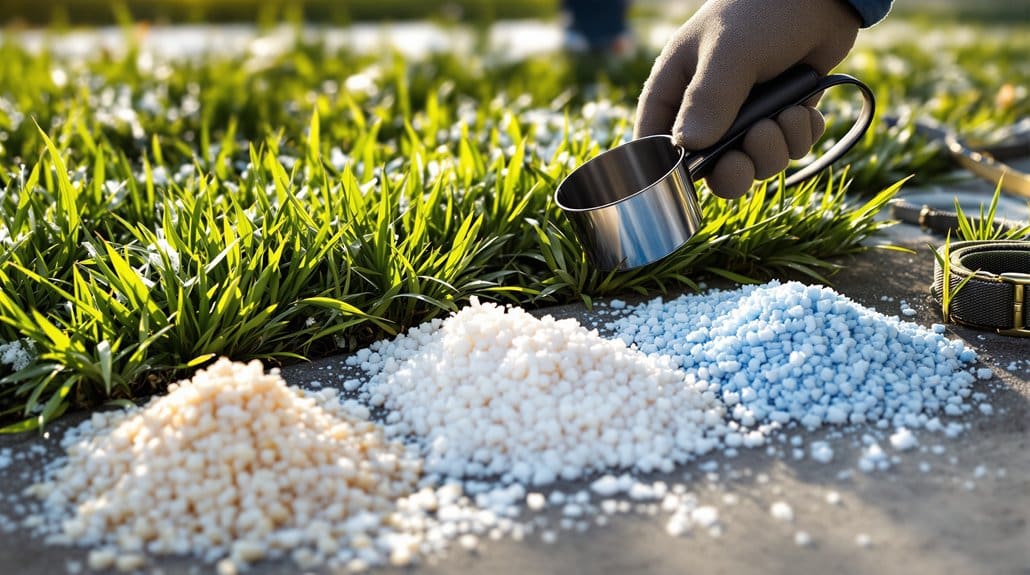
If you want to protect your pets, your concrete, your wallet, and the nearby stream, start by matching the de-icer to the job instead of reaching for the cheapest bag you can find—trust me, I've learned that the hard way when a sidewalk and a shrub paid the price. Step 1 — pick pet-safe options when pets roam, magnesium chloride often fits, it melts well to about 0°F and is kinder to turf than sodium chloride. Step 2 — consider temperature and speed, calcium chloride works to −25°F but is corrosive and can harm plants if overused. Step 3 — weigh cost versus damage; sodium chloride is cheap but risky, potassium chloride is gentle but useless below ~25°F. Now use treated salt or brine to lower chloride load.
Some Questions Answered
Will Ice Melt Hurt the Grass?
Yes, it can, but you’ve got options and fixes. Now, don’t dump rock salt, choose salt alternatives like calcium or potassium options sparingly, and time applications after shoveling. Something to keep in mind: install preventive barriers to keep granules off turf, test soil with soil testing to watch buildup, and think pet safety when picking products. You’ll avoid brown patches if you act carefully, learn from past overuse, and follow small doses.
Does Magnesium Chloride Ice Melt Kill Grass?
About 30% of turf injury reports link to heavy deicer use, so yes, magnesium chloride can kill grass if you overdo it. Here's what to do now: use the lowest effective application rate, mind application timing to avoid repeated treatments, and sweep granules off turf to limit chloride buildup in soil health. Something to contemplate: rinse or improve drainage in spring to reduce root damage, and pick products matched to plant tolerance.
What Ice Melts Pavers Without Damaging Them?
You should pick paver safe options like calcium magnesium acetate or salt‑free blends, not straight rock salt. Now, compare products by surface compatibility and deicing chemistry, checking material testing and freeze point claims. Apply sparingly, time applications (prewet with brine if possible), rinse residues after winter to limit longterm effects. Something to bear in mind: calcium chloride will work in extreme cold but use it rarely, you’ll thank yourself later.
Will Road Runner Ice Melt Kill Grass?
Yes, it can harm grass if overused, but you can prevent that. Imagine salt as a guest who overstays and poisons soil life; don’t let it. Now, scoop excess granules, water affected turf, and avoid direct application near beds, pets, and wildlife—watch pet safety and wildlife impact. Something worth noting: test your soil, adjust application timing, and keep compost interactions minimal. Do this, not that: lighter, targeted use.